
Fear in Arcadia
Cartes Postales from GreeceThis thread follows the contrast between Arcadia’s pastoral ideal and the social alienation, gendered power, and economic frustration Anthony encounters there.
increasing Bearing strength in each event
 decreasing
Bearing strength in each eventdecreasingAn Ideal Landscape
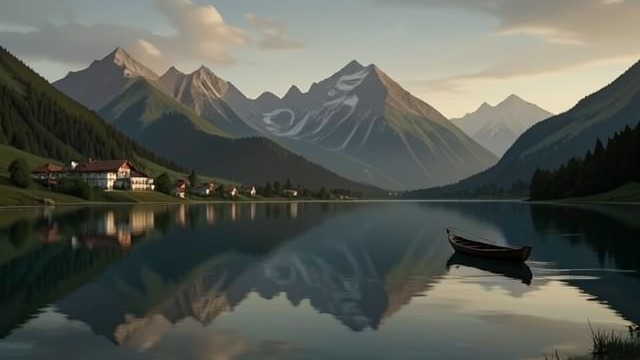
An Ideal Landscape
A paradise on the map
Anthony sees green mountains, waterfalls, and stone villages in Arcadia. The name seems to promise a real place behind the idea of an earthly paradise.
Unease beneath beauty
He recalls the image of death in a painting of Arcadia and recognizes that even an idyllic landscape cannot protect its people from grief. The beauty does not resolve his own heartbreak.
The contrast between ideal and reality becomes a recurring lens for what he sees next.
Eva’s Angry Walls
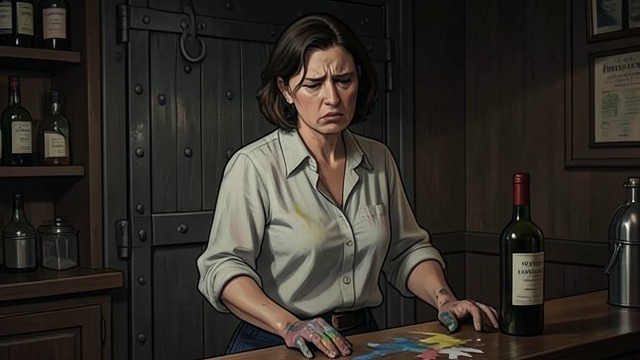
Eva’s Angry Walls
Frustration finds an image
Anthony meets Eva, a university dropout who works in a graffiti-covered bar. Her paintings and writing combine into a story about an Arcadia that could have been paradise but has become a nightmare.
A generation sees no future
Eva says that qualifications are useless when young people cannot find work. Her anger is directed not only at unemployment but at the political order she believes has failed her.
The landscape’s promise collides with a generation’s lived experience of exclusion.
The Village of Missing Women
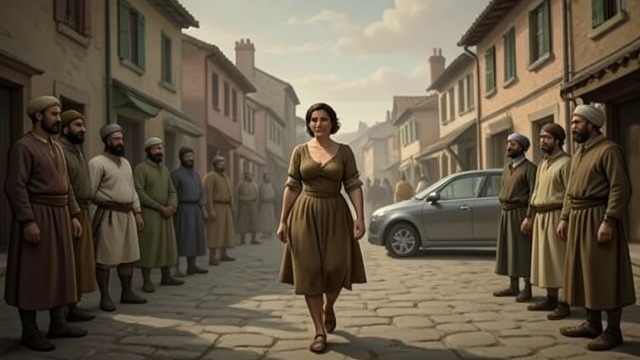
The Village of Missing Women
Beauty offers no social safety
Athanasia visits her father’s village seeking a grave, but finds its public life dominated by men and its women absent. The shepherdess she meets appears hardened by survival.
Indifference becomes hostility
After Athanasia’s car disappears, men in the cafe offer no meaningful help. She concludes that the village is no place for a woman alone and runs into the night.
Arcadia’s pastoral reputation is overturned by a social order that restricts women’s security and movement.
Young People Debate Their Future
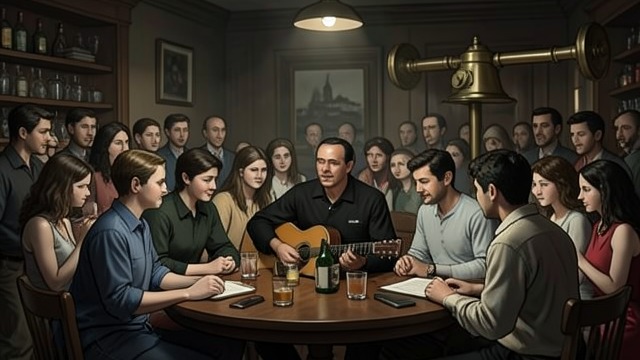
Young People Debate Their Future
Anger becomes collective speech
The bar fills with educated young people discussing corruption, gender, politics, and the economic crisis. Several are unemployed but gather for drink, conversation, and music.
Agreement has limits
Many blame male political leadership and the destruction of the country. Anthony sympathizes, though Eva’s anger also unsettles him because it seems capable of consuming everything around it.
The debate turns individual frustration into a public account of generational alienation.
A Paradise Contested
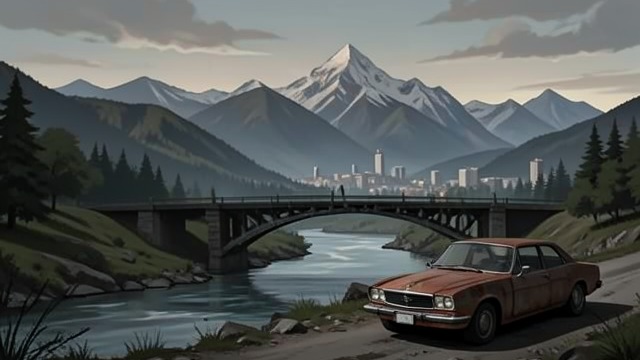
A Paradise Contested
Beauty cannot conceal injustice
Anthony reflects that Greece contains extraordinary landscapes alongside unemployment, graffiti, and abandoned buildings. The country’s beauty makes the contrast more painful, not less real.
Idealization is questioned
Arcadia can be a myth, a map location, or an image that fails the people who live there. Its meaning changes according to who can flourish and who is forced to leave.
The story refuses to treat a beautiful setting as proof of a just or happy life.
Anthony’s autumn drive through Arcadia
An evening in Tripoli, autumn 2015
Late afternoon during Athanasia’s visit
The night after Anthony hears Eva’s story
Anthony’s later reflections on Arcadia
